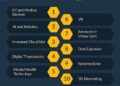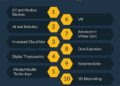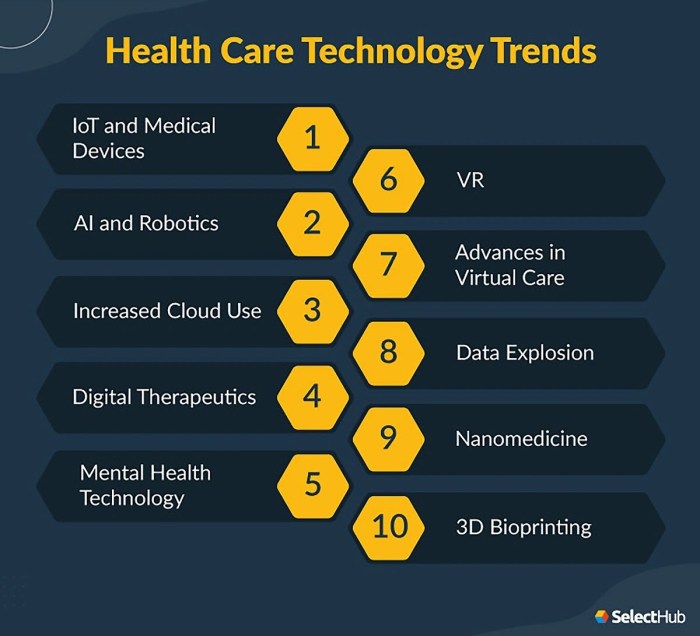
Exploring the Top 5 Emerging Trends in Health Information Technology for 2025, this introduction sets the stage for a captivating journey into the advancements shaping the healthcare landscape. From Artificial Intelligence to Wearable Technology, discover how these trends are revolutionizing the industry.
As we delve deeper, we will uncover the transformative power of these technologies and how they are reshaping the way healthcare is delivered and managed.
Overview of Health Information Technology Trends
Health Information Technology (Health IT) plays a crucial role in the healthcare industry by improving patient care, streamlining processes, and enhancing overall efficiency. It encompasses a wide range of technologies used to manage and exchange health information electronically, ultimately leading to better healthcare outcomes.
Staying updated with emerging trends in Health IT is essential for healthcare organizations to remain competitive and provide high-quality care. By embracing new technologies and innovations, healthcare providers can enhance patient engagement, optimize operations, and adapt to evolving regulatory requirements.
Key Drivers Shaping the Landscape of Health Information Technology for 2025
- Rapid Advancements in Artificial Intelligence (AI) and Machine Learning: AI-powered solutions are revolutionizing healthcare by enabling predictive analytics, personalized medicine, and improved decision-making processes.
- Interoperability and Data Exchange: Seamless data exchange between different healthcare systems and devices is crucial for providing comprehensive care and improving care coordination.
- Telehealth and Remote Monitoring: The rise of telehealth services and remote monitoring technologies allows patients to access care from anywhere, leading to increased convenience and improved access to healthcare services.
- Cybersecurity and Data Privacy: With the growing volume of electronic health data, ensuring robust cybersecurity measures and protecting patient information from potential breaches are top priorities for healthcare organizations.
- Focus on Patient-Centric Care: Health IT trends for 2025 emphasize a shift towards patient-centric care models, empowering individuals to actively participate in their healthcare decisions and treatment plans.
Artificial Intelligence and Machine Learning in Healthcare
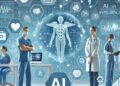
Artificial Intelligence (AI) and Machine Learning are playing a crucial role in revolutionizing the healthcare industry. These technologies have the potential to improve patient outcomes, enhance operational efficiency, and personalize treatment plans.
Applications of AI in Diagnostics
AI is being used in diagnostics to analyze medical images, such as X-rays and MRIs, with greater accuracy and speed. This technology can help healthcare providers detect diseases at an earlier stage, leading to more effective treatments and better patient outcomes.
Applications of AI in Personalized Medicine
AI is also being leveraged in personalized medicine to tailor treatment plans based on an individual's unique genetic makeup, lifestyle, and medical history. By analyzing large datasets, AI can identify patterns and predict which treatments will be most effective for specific patients.
Applications of AI in Patient Care
In patient care, AI-powered chatbots and virtual assistants are being used to provide round-the-clock support to patients, answer their questions, and even monitor their health remotely. This technology enhances patient engagement, improves communication between patients and healthcare providers, and ultimately leads to better health outcomes.
Enhancing Operational Efficiency
AI and machine learning algorithms can also optimize workflows, automate routine tasks, and streamline administrative processes in healthcare settings. This leads to cost savings, improved resource allocation, and more efficient delivery of care to patients.
Telehealth and Remote Patient Monitoring
Telehealth services have seen significant growth in recent years, especially with the advancements in technology and the increased need for remote healthcare solutions. Telehealth allows patients to access medical care and consultation from the comfort of their own homes, eliminating the need for in-person visits to healthcare facilities.
This convenience not only saves time and money for patients but also improves access to healthcare for those in rural or underserved areas.
Remote Patient Monitoring Technologies and Benefits
Remote patient monitoring technologies, such as wearable devices and mobile apps, enable healthcare providers to track patients' vital signs and health data in real-time. These technologies allow for continuous monitoring of chronic conditions, early detection of health issues, and timely interventions to prevent complications.
By remotely monitoring patients, healthcare providers can provide personalized care plans and interventions, leading to improved health outcomes and reduced hospital readmissions.
Challenges and Solutions in Implementing Telehealth
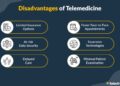
One of the main challenges in implementing telehealth solutions is ensuring data security and patient privacy. Healthcare providers must comply with strict regulations, such as HIPAA, to protect patient information and maintain confidentiality. Additionally, not all patients have access to reliable internet connections or the necessary technology to participate in telehealth visits.
To address these challenges, healthcare organizations can invest in secure telehealth platforms, provide training to staff and patients on using telehealth technology, and explore partnerships with community organizations to bridge the digital divide.
Blockchain Technology in Health Information Management
Blockchain technology has emerged as a revolutionary tool in various industries, including healthcare. It is a decentralized, distributed ledger system that enables secure and transparent transactions without the need for intermediaries. In health information management, blockchain has the potential to transform data security, integrity, and interoperability.
Applications of Blockchain in Health Information Management
- Ensuring Data Security: Blockchain uses cryptographic techniques to secure health data, making it tamper-proof and resistant to unauthorized access. Each block in the chain is linked through a unique hash, creating a transparent and immutable record of transactions.
- Ensuring Data Integrity: By creating a decentralized system, blockchain ensures that health data remains accurate and unaltered. This is crucial in maintaining the integrity of patient records and preventing fraud or data breaches.
- Enhancing Interoperability: Blockchain enables seamless sharing of health information across different healthcare providers and systems. This promotes better coordination of care and improves patient outcomes by providing a comprehensive view of a patient's medical history.
Wearable Technology and Health Apps
Wearable technology and health apps have become increasingly popular in recent years, allowing individuals to track various health metrics conveniently. These devices and applications play a significant role in promoting preventive healthcare practices by empowering users to monitor their health in real-time and make informed decisions about their well-being.
Impact of Wearables and Health Apps on Preventive Healthcare
- Encourages proactive health management: Wearable devices and health apps enable users to track their physical activity, heart rate, sleep patterns, and other vital signs. This data can help individuals identify trends, set health goals, and make lifestyle changes to prevent potential health issues.
- Promotes early detection of health problems: By continuously monitoring health metrics, wearables and health apps can detect subtle changes or abnormalities that may indicate underlying health conditions. Early detection allows for timely intervention and treatment, improving health outcomes.
- Enhances patient engagement: Wearables and health apps foster greater engagement and accountability among users in managing their health. Features like goal setting, progress tracking, and personalized recommendations encourage individuals to take an active role in their well-being.
Privacy and Security Concerns with Wearable Technology and Health Apps
- Data security risks: The collection of sensitive health data through wearables and health apps raises concerns about data privacy and security. Unauthorized access to this information could lead to identity theft, fraud, or misuse of personal health data.
- Accuracy and reliability of data: There may be concerns regarding the accuracy and reliability of the health data obtained from wearables and health apps. Inaccurate data could potentially result in incorrect health assessments or recommendations, impacting the user's health decisions.
- Regulatory compliance: Ensuring compliance with data protection regulations and standards is crucial for wearable technology and health app developers. Adhering to privacy laws and implementing robust security measures is essential to safeguard user information.
Conclusion
In conclusion, the Top 5 Emerging Trends in Health Information Technology for 2025 paint a picture of a future where innovation and efficiency go hand in hand to improve patient care and outcomes. Embracing these trends will undoubtedly lead to a more connected and proactive approach to healthcare.
Top FAQs
What are the benefits of wearable technology in healthcare?
Wearable technology allows for continuous monitoring of health metrics, promoting preventive healthcare practices and early detection of health issues.
How does blockchain technology ensure data security in healthcare?
Blockchain technology secures data through encryption and decentralized storage, preventing unauthorized access and ensuring data integrity.
What challenges are associated with implementing telehealth solutions?
Challenges include regulatory barriers, reimbursement issues, and ensuring reliable connectivity for remote patient monitoring.
What role does AI play in personalized medicine?
AI analyzes patient data to tailor treatment plans and interventions based on individual characteristics, optimizing healthcare outcomes.
How can health apps contribute to promoting preventive healthcare practices?
Health apps provide users with tools to track their health metrics, set health goals, and receive personalized recommendations for maintaining a healthy lifestyle.