Exploring the world of Health Information Technology Jobs in High Demand, this introduction aims to captivate readers with a detailed and intriguing overview of the subject matter.
The following paragraph will delve into the specifics of the roles, skills, qualifications, and emerging trends within the field of Health Information Technology.
Overview of Health Information Technology Jobs
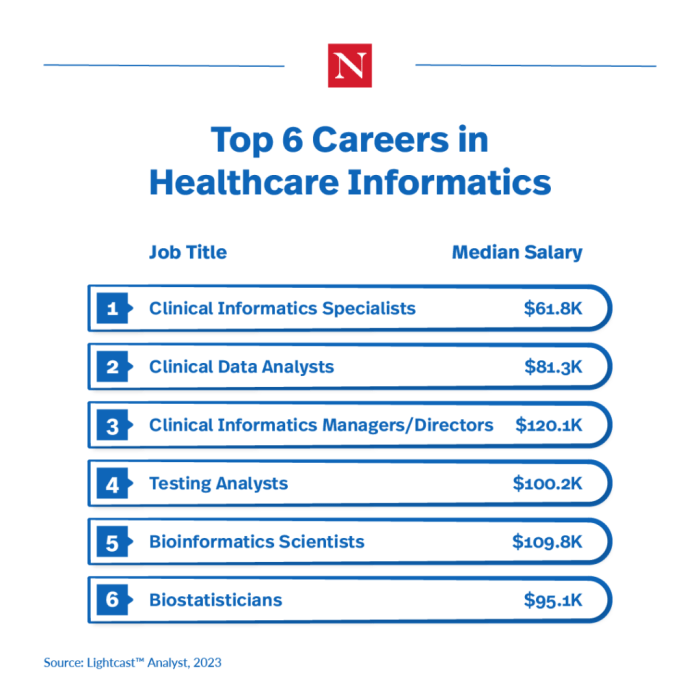
Health Information Technology (HIT) jobs involve the management of healthcare data through the use of technology. HIT professionals play a crucial role in ensuring the accuracy, security, and accessibility of patient information within healthcare organizations.
Importance of HIT Professionals
- HIT professionals help healthcare providers streamline operations by implementing electronic health records (EHR) systems.
- They ensure compliance with regulations such as the Health Insurance Portability and Accountability Act (HIPAA) to protect patient privacy.
- HIT professionals analyze data to improve patient care outcomes and support decision-making processes within healthcare organizations.
In-Demand Roles within HIT
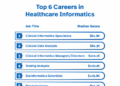
- Health Information Manager: Responsible for overseeing the maintenance and security of patient health information.
- Clinical Documentation Specialist: Ensures accurate and complete documentation of patient medical records.
- Health Informatics Specialist: Analyzes healthcare data to improve the quality of patient care and optimize healthcare processes.
Required Skills and Qualifications
To excel in a career in Health Information Technology, individuals need a specific set of skills and qualifications. These are essential for ensuring efficiency, accuracy, and compliance within the healthcare industry.
Essential Skills
- Attention to Detail: Health Information Technology professionals must have a keen eye for detail to accurately input and manage sensitive patient data.
- Technical Proficiency: Proficiency in using Electronic Health Records (EHR) systems and other healthcare software is crucial for HIT professionals.
- Analytical Skills: The ability to analyze data trends and identify patterns is essential for improving healthcare processes and decision-making.
- Communication Skills: Effective communication is key when interacting with healthcare providers, patients, and other professionals in the field.
- Problem-Solving Skills: HIT professionals must be able to troubleshoot issues with software, data integrity, and compliance to ensure optimal performance.
Educational Qualifications
Typically, a minimum of a bachelor's degree in Health Information Management or a related field is required for entry-level HIT positions. Some employers may also prefer candidates with professional certifications, such as Registered Health Information Technician (RHIT) or Certified Health Data Analyst (CHDA).
Entry-Level vs. Advanced Roles
Entry-level HIT positions usually require a solid foundation in health information management principles and basic technical skills. As professionals progress to advanced roles, such as Health Information Manager or Clinical Informatics Specialist, they may need additional certifications, advanced technical skills, and a deeper understanding of healthcare operations.
Emerging Trends in Health Information Technology
As technology continues to advance, the field of Health Information Technology (HIT) is also evolving rapidly. Keeping up with the latest trends in HIT is crucial for professionals in this industry to stay relevant and competitive in the job market.
Technological Advancements Impacting HIT Jobs
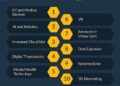
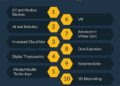
- Integration of Blockchain Technology: Blockchain technology is being increasingly used in healthcare to ensure secure and transparent sharing of patient data. HIT professionals need to understand how blockchain works and its implications for healthcare systems.
- Internet of Things (IoT) in Healthcare: IoT devices are revolutionizing patient monitoring and data collection. HIT professionals should be familiar with IoT devices and their impact on healthcare data management.
Influence of Telemedicine and Electronic Health Records
The rise of telemedicine and the widespread adoption of Electronic Health Records (EHRs) have significantly increased the demand for HIT professionals. Telemedicine relies on HIT systems to facilitate remote patient consultations and data exchange, while EHRs have transformed the way patient information is stored and accessed.
Role of Artificial Intelligence and Machine Learning
- Enhanced Diagnostic Capabilities: AI and machine learning algorithms can analyze large datasets to identify patterns and trends that may not be apparent to human healthcare providers. This can lead to faster and more accurate diagnoses.
- Predictive Analytics: AI-powered predictive analytics can help healthcare organizations anticipate patient needs, identify at-risk populations, and improve overall patient outcomes. HIT professionals with knowledge of AI and machine learning will be in high demand to implement and optimize these systems.
Job Outlook and Growth Opportunities
Health Information Technology (HIT) jobs are projected to see a significant growth in the coming years, with a steady increase in demand for professionals in this field. The advancements in technology and the shift towards digital healthcare systems have created a need for skilled HIT professionals to manage and analyze health data efficiently.
Projected Growth of HIT Jobs
- According to the Bureau of Labor Statistics, employment of Health Information Technicians is projected to grow 8% from 2019 to 2029, faster than the average for all occupations.
- This growth is driven by the increasing use of electronic health records (EHRs) and the need to ensure that patient information is secure and accessible.
Factors Driving Demand for HIT Professionals
- The implementation of electronic health records (EHRs) by healthcare providers to improve patient care and outcomes.
- The emphasis on data analytics and population health management to enhance healthcare delivery.
- The focus on cybersecurity and compliance with regulations such as HIPAA to protect patient information.
Career Paths and Specializations in Health Information Technology
- Health Informatics Specialist: Focuses on the design and implementation of health information systems.
- Clinical Data Analyst: Analyzes health data to improve patient care and outcomes.
- Health Information Manager: Oversees the maintenance of patient records and ensures compliance with regulations.
- Health IT Project Manager: Manages IT projects related to healthcare systems implementation and upgrades.
Final Review
In conclusion, this discussion has shed light on the crucial aspects of Health Information Technology Jobs in High Demand, providing valuable insights for those interested in pursuing a career in this rapidly growing industry.
FAQ Section
What are the key responsibilities of Health Information Technology professionals?
Health Information Technology professionals are responsible for managing electronic health records, ensuring data security, and implementing technological solutions to improve healthcare delivery.
What educational background is required for a career in Health Information Technology?
Typically, a bachelor's degree in Health Information Management or a related field is required for entry-level positions in Health Information Technology.
How is the demand for Health Information Technology jobs expected to grow in the future?
According to projections, the demand for Health Information Technology professionals is expected to grow significantly in the coming years due to advancements in technology and the increasing importance of data management in healthcare.