Delving into the world of healthcare, the integration of health information technology in hospitals has brought about a paradigm shift in patient care and safety. Let's explore how this technological advancement is reshaping the way healthcare is delivered.
Importance of Health Information Technology in Hospitals
Health Information Technology (HIT) plays a crucial role in modern hospital settings by revolutionizing the way patient data is collected, stored, and utilized. Implementing HIT not only enhances patient care and safety but also improves efficiency and reduces medical errors in hospitals.
Improved Patient Care and Safety
- Electronic Health Records (EHRs) allow healthcare providers to access a patient's complete medical history quickly, leading to more informed decision-making.
- Computerized Physician Order Entry (CPOE) systems help reduce medication errors by ensuring accurate prescriptions and dosages.
- Telemedicine and remote monitoring through HIT enable healthcare professionals to reach patients in rural or underserved areas, improving access to care.
Enhanced Efficiency and Reduced Medical Errors
- Automation of administrative tasks such as appointment scheduling and billing streamlines operations, allowing healthcare staff to focus more on patient care.
- Decision support systems provide real-time guidance to healthcare providers, aiding in diagnosis and treatment planning.
- Barcoding systems for medication administration help prevent errors in drug administration and ensure patient safety.
Types of Health Information Technology Used in Hospitals
Health information technology plays a crucial role in improving patient care, streamlining processes, and enhancing efficiency within hospital settings. Let's explore some common types of health information technology utilized in hospitals:
Electronic Health Records (EHR)
Electronic Health Records (EHR) are digital versions of patients' paper charts. EHRs contain a patient's medical history, diagnoses, medications, treatment plans, immunization dates, allergies, radiology images, and laboratory test results. The functions of EHR include:
- Centralized Patient Information: EHRs provide a centralized location for healthcare professionals to access a patient's comprehensive medical history, leading to more informed decision-making and coordinated care.
- Improved Patient Safety: EHRs reduce the risk of errors in patient care by providing accurate and up-to-date information on medications, allergies, and past treatments.
- Efficient Data Management: EHRs streamline administrative tasks, such as scheduling appointments, billing, and coding, resulting in increased efficiency and reduced paperwork.
Telemedicine and Telehealth Technologies
Telemedicine and telehealth technologies have revolutionized the way healthcare services are delivered, especially in hospital settings. While the terms are often used interchangeably, there are some key differences:
- Telemedicine typically refers to remote clinical services, such as virtual consultations, monitoring, and diagnosis, using telecommunications technology.
- Telehealth encompasses a broader scope of remote healthcare services, including non-clinical services like provider training, administrative meetings, and continuing medical education.
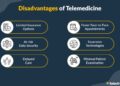
In hospital settings, telemedicine and telehealth technologies enable healthcare professionals to reach patients in remote areas, provide specialist consultations, monitor patients' conditions remotely, and improve access to care for underserved populations.
Challenges and Barriers to Implementing Health Information Technology
Implementing health information technology in hospitals comes with a set of challenges and barriers that healthcare facilities must navigate to ensure successful integration
Financial Constraints
One of the most common barriers hospitals face when implementing health information technology is the significant financial investment required. Purchasing and implementing new systems, training staff, and maintaining the technology can be costly, especially for smaller healthcare facilities with limited budgets.
Resistance from Staff
Another challenge hospitals encounter is resistance from staff members who may be hesitant to adapt to new technology. Healthcare professionals who are accustomed to traditional paper-based systems may be reluctant to embrace digital solutions, leading to a slow adoption rate and potential inefficiencies in workflow.
Interoperability Issues
Interoperability issues between different health information systems can also pose a barrier to the seamless exchange of patient data. Hospitals often use multiple systems that may not communicate effectively with each other, leading to fragmented patient records and potential errors in care delivery.
Data Security Concerns
Ensuring the security and privacy of patient data is another challenge hospitals face when implementing health information technology. Healthcare facilities must comply with strict regulations to protect sensitive information from data breaches and unauthorized access, requiring robust security measures and protocols.
Strategies to Overcome Challenges
- Provide comprehensive training and support to staff members to increase their comfort and proficiency with new technology.
- Collaborate with vendors and IT experts to address interoperability issues and streamline the integration of different systems.
- Invest in cybersecurity measures and data encryption technologies to safeguard patient information and maintain compliance with regulations.
- Develop a clear implementation plan with realistic timelines and goals to ensure a smooth transition to health information technology.
Future Trends in Health Information Technology for Hospitals
As technology continues to advance, the future of health information technology in hospitals looks promising. Let's explore some of the emerging trends that are reshaping the healthcare landscape.
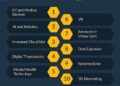
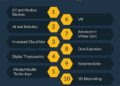
Artificial Intelligence and Machine Learning
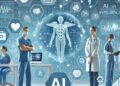
Artificial intelligence (AI) and machine learning are revolutionizing hospital operations by streamlining processes, improving diagnostics, and enhancing patient care. These technologies have the potential to analyze vast amounts of data quickly and accurately, leading to more personalized treatment plans and better outcomes for patients.
Wearable Devices and Remote Monitoring Systems
Wearable devices and remote monitoring systems are playing a crucial role in shaping the future of healthcare delivery. These technologies allow healthcare providers to track patients' vital signs in real-time, monitor chronic conditions remotely, and intervene proactively when necessary. By enabling continuous monitoring and early intervention, wearable devices and remote monitoring systems are helping to improve patient outcomes and reduce hospital readmissions.
Closing Notes
In conclusion, the role of health information technology in hospitals is pivotal in revolutionizing the healthcare landscape. By enhancing efficiency, improving patient outcomes, and paving the way for future innovations, it is clear that the impact of technology in healthcare is profound and ever-evolving.
FAQ Resource
What are some common challenges hospitals face when implementing health information technology?
Some common challenges include resistance from healthcare professionals, interoperability issues between systems, and concerns regarding data security.
How does artificial intelligence and machine learning impact hospital operations?
Artificial intelligence and machine learning help in tasks such as predictive analytics, personalized medicine, and streamlining administrative processes, ultimately improving efficiency and patient care.
What is the significance of wearable devices and remote monitoring systems in healthcare delivery?
Wearable devices and remote monitoring systems enable continuous tracking of patient health metrics, early detection of abnormalities, and remote consultations, leading to proactive and personalized healthcare.