Exploring the realm of Best Degrees and Certifications in Health Information Technology opens up a world of possibilities and opportunities. From the top universities offering degrees to the most recognized certifications, this topic delves into the crucial aspects of shaping a successful career in this field.
Get ready to uncover the essential information you need to make informed decisions and pave your way towards a thriving career in Health Information Technology.
Best Degrees in Health Information Technology
When it comes to pursuing a degree in Health Information Technology, it is important to choose a reputable university that offers a comprehensive curriculum and holds proper accreditation. Here are some of the top universities offering degrees in this field, along with an overview of the curriculum and the importance of accreditation.
Top Universities Offering Degrees in Health Information Technology
- University of Illinois at Chicago
- University of Cincinnati
- University of Pittsburgh
- University of Washington
- University of Texas at Dallas
Overview of Curriculum for a Degree in Health Information Technology
Students pursuing a degree in Health Information Technology can expect to study courses related to healthcare data management, electronic health records, medical coding, healthcare information systems, and healthcare compliance and regulations.
Importance of Accreditation in Choosing a Degree Program
Accreditation ensures that a degree program meets certain standards of quality and rigor. It is important to choose a program that is accredited by reputable organizations such as the Commission on Accreditation for Health Informatics and Information Management Education (CAHIIM).
Comparison of Different Degree Levels in Health Information Technology
- Associate's Degree:Provides a foundation in health information technology and can lead to entry-level positions.
- Bachelor's Degree:Offers a more in-depth study of health information technology and can lead to higher-paying positions.
- Master's Degree:Provides advanced knowledge and skills in health information technology and can lead to leadership roles in the field.
Certifications in Health Information Technology
Certifications in Health Information Technology play a crucial role in validating the skills and expertise of professionals in this field. They demonstrate a commitment to maintaining high standards and staying updated with the latest developments in healthcare technology.
Most Recognized Certifications
- Registered Health Information Technician (RHIT)
- Certified Health Data Analyst (CHDA)
- Certified in Healthcare Privacy and Security (CHPS)
- Certified Professional in Healthcare Information and Management Systems (CPHIMS)
Benefits of Obtaining Certifications
Certifications in Health Information Technology can enhance career opportunities by showcasing specialized knowledge and skills. They can lead to increased job prospects, higher salaries, and greater credibility in the industry.
Requirements for Earning Certifications
- Completion of specific education and training programs
- Passing a certification exam
- Meeting experience requirements in the field
- Continuing education to maintain certification
Enhancing Career Opportunities
Certifications can open doors to advancement in the field of Health Information Technology. They can qualify individuals for higher-level positions, such as Health Information Manager, Data Analyst, or Health IT Project Manager. Additionally, certifications can demonstrate a commitment to professional development and quality patient care.
Specializations within Health Information Technology
Health Information Technology offers various specialized areas that professionals can focus on to enhance their careers. These specializations require specific skills and knowledge to excel in the field.
Health Data Analysis
Health Data Analysis involves interpreting and analyzing healthcare data to improve patient outcomes and streamline processes. Professionals in this specialization need strong analytical skills, proficiency in data management tools, and a deep understanding of healthcare regulations.
- Skills and Knowledge Required: Data analysis, statistical software proficiency, knowledge of healthcare databases.
- Career Paths: Health Data Analyst, Clinical Data Specialist, Healthcare Data Manager.
- Job Roles: Analyzing healthcare data to identify trends, creating reports for healthcare providers, ensuring data accuracy and compliance.
Health Informatics
Health Informatics focuses on the integration of healthcare information systems to improve patient care and operational efficiency. Professionals in this specialization need a blend of IT and healthcare knowledge, along with project management skills.
- Skills and Knowledge Required: Electronic health records (EHR) systems, health information exchange (HIE), project management.
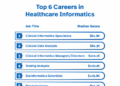
- Career Paths: Health Informatics Specialist, Clinical Informatics Manager, Health IT Project Manager.
- Job Roles: Implementing EHR systems, optimizing healthcare workflows, ensuring data security and privacy.
Industry Trends and Innovations in Health Information Technology
Health Information Technology is a rapidly evolving field, with several trends and innovations shaping its future. The integration of technology in healthcare systems has revolutionized how patient data is managed and utilized, leading to improved outcomes and efficiency.
Role of Technology in Advancing Healthcare Information Systems
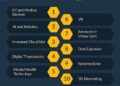
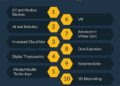
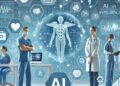
Technology such as Artificial Intelligence (AI) and blockchain are playing a significant role in advancing healthcare information systems. AI applications are being used to analyze large datasets quickly and accurately, providing valuable insights for decision-making. Blockchain technology ensures secure and transparent sharing of patient information across different healthcare providers.
Impact of Data Analytics and Interoperability on Healthcare Organizations
Data analytics has transformed how healthcare organizations utilize patient data to improve care delivery and outcomes. By leveraging data analytics tools, organizations can identify trends, predict health outcomes, and personalize treatment plans. Interoperability, on the other hand, enables seamless data exchange between different healthcare systems, ensuring continuity of care and improved efficiency.
Innovative Solutions in Health Information Technology
There are several innovative solutions being implemented in Health Information Technology to enhance patient care and streamline processes. For example, telemedicine platforms are enabling remote consultations and monitoring, improving access to healthcare services. Additionally, electronic health records (EHR) systems are being continually optimized to provide real-time data access and ensure data security.
Final Thoughts
As we conclude our exploration of Best Degrees and Certifications in Health Information Technology, it becomes evident that the right education and certifications can truly set you apart in this dynamic and rapidly evolving field. Remember, the choices you make today can shape a successful tomorrow in the world of Health Information Technology.
Detailed FAQs
What is the importance of accreditation when choosing a degree program?
Accreditation ensures that the program meets established standards of quality and can significantly impact your education and career prospects.
What are the benefits of obtaining certifications in Health Information Technology?
Certifications showcase your expertise, enhance credibility, and open doors to better job opportunities within the field.
What are some examples of job roles within specialized areas of Health Information Technology?
Job roles may include Health Data Analyst, Health Informatics Specialist, Clinical Informatics Manager, and more, depending on the specialization.