Delving into the realm of healthcare technology, this article sheds light on the transformative impact of Health Information Technology on patient care. Brace yourself for a journey through the advancements and innovations that are revolutionizing the healthcare landscape.
Exploring the pivotal role of technology in enhancing patient outcomes, this piece unravels the intricate web of benefits that Health Information Technology offers to both healthcare providers and patients alike.
Importance of Health Information Technology
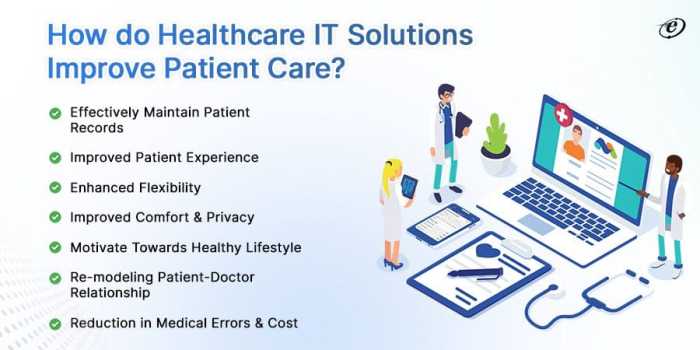
Health information technology plays a crucial role in improving patient care by enabling healthcare providers to have quick access to accurate and up-to-date information about their patients. This leads to more informed decision-making and better coordination of care, ultimately resulting in improved patient outcomes.
Streamlining Processes in Healthcare Settings
Health information technology streamlines processes in healthcare settings by digitizing and centralizing patient records, making them easily accessible to authorized healthcare professionals. For example, electronic health records (EHRs) eliminate the need for paper-based records, reducing the risk of errors, improving efficiency, and saving time.
This allows healthcare providers to focus more on patient care rather than administrative tasks.
Impact of Electronic Health Records on Patient Care Quality and Safety
Electronic health records have a significant impact on patient care quality and safety by ensuring that healthcare providers have a comprehensive view of a patient's medical history, medications, allergies, and test results. This leads to better-informed diagnoses, appropriate treatment plans, and improved coordination of care among different healthcare providers.
Additionally, EHRs help in reducing medical errors, improving patient safety, and enhancing overall healthcare quality.
Patient Engagement and Communication
Patient engagement and communication are crucial aspects of healthcare that can be significantly enhanced by health information technology. By utilizing various digital tools and platforms, healthcare providers can improve patient outcomes and overall satisfaction.
Enhanced Patient Engagement
- Health information technology allows patients to access their medical records, test results, and treatment plans online, empowering them to take an active role in their healthcare management.
- Interactive tools, such as patient portals and mobile apps, enable patients to communicate with their healthcare providers, ask questions, and request medication refills conveniently.
- Remote monitoring devices and telehealth services make it easier for patients to stay connected with their healthcare team, especially for those managing chronic conditions.
Facilitated Communication
- Secure messaging systems provide a confidential way for patients to communicate with healthcare professionals, ensuring privacy and convenience.
- Telemedicine platforms enable virtual consultations and follow-ups, reducing the need for in-person visits and improving access to care, especially for patients in rural or remote areas.
- Automated appointment reminders and notifications help patients stay informed about their upcoming visits, enhancing communication and reducing missed appointments.
Benefits of Patient Portals and Secure Messaging Systems
- Increased patient engagement and satisfaction by offering easy access to personal health information and the ability to communicate with their care team outside of office visits.
- Improved care coordination among healthcare providers by facilitating secure information sharing and real-time communication about patient care plans.
- Enhanced patient safety through accurate medication reconciliation, allergy alerts, and access to updated medical histories, reducing the risk of errors and adverse events.
Data Management and Analysis
Health information technology plays a crucial role in managing patient data efficiently, leading to improved patient care outcomes. By leveraging technology, healthcare providers can store, retrieve, and analyze vast amounts of patient information in a secure and organized manner
Role of Data Analytics in Improving Patient Outcomes
Data analytics involves the use of advanced algorithms and statistical tools to extract valuable insights from patient data. This information helps healthcare professionals make informed decisions, identify patterns, and predict potential health risks. By analyzing data, healthcare providers can personalize treatment plans, monitor patient progress, and ultimately improve patient outcomes.
- Identifying High-Risk Patients: Data analytics can help identify high-risk patients who require extra attention and intervention. By analyzing patient data, healthcare providers can proactively address potential health issues before they escalate.
- Monitoring Population Health Trends: Through data analysis, healthcare organizations can track population health trends and patterns. This information is vital for developing targeted public health initiatives and preventive care strategies.
- Improving Treatment Effectiveness: By analyzing patient outcomes and treatment protocols, healthcare providers can continuously evaluate and improve the effectiveness of medical interventions. Data analytics helps in optimizing treatment plans and enhancing patient care quality.
Telemedicine and Remote Monitoring
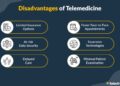
Telemedicine has revolutionized the way patients access healthcare services, especially in remote or underserved areas. By utilizing telecommunication technologies, patients can consult with healthcare providers, receive medical advice, and even undergo virtual examinations without the need to physically visit a clinic or hospital.
Impact of Telemedicine on Patient Care Accessibility
- Telemedicine breaks down barriers to healthcare access by providing a convenient and efficient way for patients to connect with healthcare professionals remotely.
- Patients in rural or isolated areas can receive timely medical attention without having to travel long distances, reducing the burden on transportation and improving overall healthcare outcomes.
- It allows for continuous monitoring and follow-up care, ensuring that patients receive the necessary support and guidance from healthcare providers, even from a distance.
Remote Monitoring Technologies for Chronic Disease Management
- Remote monitoring technologies, such as wearable devices and mobile apps, enable healthcare providers to track vital signs, medication adherence, and disease progression in real-time.
- This proactive approach to chronic disease management helps in early detection of complications, adjustment of treatment plans, and personalized care for each patient.
- Patients with chronic conditions can benefit from remote monitoring by receiving constant support and guidance, leading to improved quality of life and reduced hospitalizations.
Role of Telehealth in Providing Timely Healthcare Services
- Telehealth services play a crucial role in delivering timely healthcare services to remote or underserved areas where access to traditional healthcare facilities is limited.
- Through telehealth platforms, patients can schedule appointments, consult with specialists, and receive medical advice promptly, ensuring that healthcare needs are met in a timely manner.
- Telehealth bridges the gap in healthcare disparities by connecting patients with a diverse range of healthcare professionals, regardless of their geographic location, ultimately improving healthcare access and outcomes for all.
Last Point
As we reach the culmination of our discussion, it becomes evident that Health Information Technology is not just a tool but a catalyst for improved patient care. Embracing these technological advancements paves the way for a future where healthcare is more efficient, accessible, and patient-centric.
FAQ
How does Health Information Technology streamline processes in healthcare settings?
Health Information Technology automates tasks like appointment scheduling, billing, and data entry, reducing administrative burden and allowing healthcare professionals to focus more on patient care.
What are the benefits of patient portals in healthcare?
Patient portals enable individuals to access their health information, communicate with healthcare providers, book appointments, and manage prescriptions conveniently, fostering greater patient engagement and empowerment.
How does data analytics improve patient outcomes in healthcare?
Data analytics helps healthcare providers identify trends, predict potential health issues, personalize treatment plans, and enhance preventive care strategies, ultimately leading to better patient outcomes and population health management.