Exploring the realm of Health Information Technology in Healthcare unveils a landscape where advancements and challenges coexist, shaping the future of patient care. Dive into this informative journey that delves into the benefits and drawbacks of integrating technology into healthcare practices.
Pros of Health Information Technology in Healthcare
Health information technology plays a crucial role in improving patient care and enhancing efficiency in healthcare settings. One of the key benefits is the utilization of electronic health records (EHRs), which streamline the management of patient information and enable healthcare providers to make well-informed decisions.
Enhanced Patient Care
- Health information technology allows for easy access to patient records, enabling healthcare providers to have a comprehensive view of the patient's medical history, medications, allergies, and test results.
- With EHRs, healthcare professionals can quickly share and access patient information, leading to more coordinated and personalized care.
- Telemedicine platforms make it easier for patients to consult with healthcare providers remotely, improving access to care and reducing barriers to seeking medical help.
Cons of Health Information Technology in Healthcare
While health information technology offers numerous benefits, there are also significant drawbacks that need to be considered.
Potential Privacy and Security Concerns
One of the major cons of health information technology in healthcare is the potential privacy and security concerns associated with electronic health records. As patient data is digitized and stored online, there is an increased risk of data breaches, hacking, and unauthorized access to sensitive information.
This can lead to identity theft, medical fraud, and other serious consequences for patients.
Challenges of Interoperability
Another drawback of health information technology is the challenge of interoperability between different health IT systems. Different healthcare providers may use different electronic health record systems that are not compatible with each other, making it difficult to share and access patient information seamlessly.
This lack of interoperability can result in fragmented care, medical errors, and inefficiencies in healthcare delivery.
Impact on the Doctor-Patient Relationship
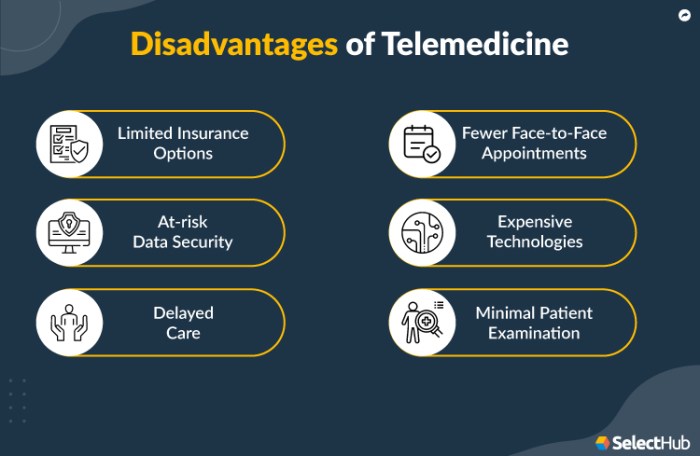
The increasing reliance on technology in healthcare can also have an impact on the doctor-patient relationship. With the use of electronic health records and telemedicine, some patients may feel a loss of personal connection with their healthcare providers. The face-to-face interactions and human touch that are essential in building trust and rapport between doctors and patients may be compromised by technology-driven healthcare practices.
Impact on Healthcare Costs
Health information technology plays a crucial role in reducing healthcare costs through various cost-saving measures and efficiencies. By streamlining processes, improving communication, and enhancing patient care, health IT systems can result in significant savings for healthcare providers and patients alike.
Implementation of Electronic Health Records (EHR)
One of the primary ways health information technology helps reduce costs is through the implementation of Electronic Health Records (EHR). EHR systems allow healthcare providers to access patient information quickly and easily, reducing the need for redundant tests, procedures, and paperwork.
This not only saves time but also lowers costs associated with unnecessary treatments.
Telemedicine and Remote Monitoring
Telemedicine and remote monitoring technologies have become increasingly popular, especially in rural or underserved areas. These technologies enable healthcare providers to consult with patients remotely, reducing the need for in-person visits and lowering overall healthcare costs. Additionally, remote monitoring devices can help prevent costly hospital readmissions by monitoring patients' vital signs and health status from the comfort of their homes
Automated Appointment Scheduling and Billing
Health IT systems also offer automated appointment scheduling and billing functionalities, which can streamline administrative processes and reduce human error. By automating these tasks, healthcare providers can save time and resources, ultimately leading to cost savings for both the provider and the patient.
Drawbacks and Hidden Costs
While health information technology can bring about significant cost savings, there are also potential drawbacks and hidden costs associated with implementing these systems. Initial setup and training costs, maintenance fees, and the need for regular upgrades can add up over time.
Additionally, data security concerns and the risk of potential cyber attacks can result in unforeseen expenses to safeguard patient information.
Patient Empowerment and Engagement
Health information technology plays a crucial role in empowering patients to take control of their health and actively engage in their healthcare journey. By providing access to their medical records, test results, and treatment plans, patients are equipped with the information needed to make informed decisions about their health.
Role of Patient Portals
Patient portals serve as a valuable tool in improving communication between patients and healthcare providers. Through these secure online platforms, patients can schedule appointments, request prescription refills, and communicate with their healthcare team. This direct line of communication fosters a sense of partnership and collaboration between patients and providers, leading to better outcomes.
Enhanced Patient Engagement
Access to Information
Patients can access their health information anytime, anywhere, allowing them to stay informed and engaged in their care.
Remote Monitoring
Technology enables patients to track their health metrics, such as blood pressure or blood sugar levels, from the comfort of their homes. This real-time data empowers patients to actively manage their conditions.
Educational Resources
Online resources and tools provided through health information technology help patients better understand their conditions and treatment options. This knowledge promotes proactive involvement in their healthcare decisions.
Appointment Reminders
Automated reminders for appointments and medication schedules help patients stay on track with their treatment plans, enhancing adherence and overall health outcomes.
Ending Remarks
In conclusion, the discussion surrounding the Pros and Cons of Health Information Technology in Healthcare highlights the intricate balance between innovation and concerns, ultimately paving the way for a more efficient and patient-centric healthcare system.
FAQ Insights
What are the main privacy concerns related to Health Information Technology?
Privacy concerns include the risk of data breaches, unauthorized access to medical records, and potential misuse of sensitive information.
How does Health Information Technology empower patients?
Health IT empowers patients by allowing them to access their medical records, communicate with healthcare providers more easily, and take a more active role in managing their health.
Are there any hidden costs associated with implementing Health IT systems?
Hidden costs may include expenses for system maintenance, staff training, and upgrades to ensure compliance with evolving regulations.