The Role of Computer Information Systems in Modern Businesses sets the stage for this enthralling narrative, offering readers a glimpse into a story that is rich in detail and brimming with originality from the outset. In today's rapidly evolving business landscape, the integration of computer information systems plays a pivotal role in driving efficiency, enhancing decision-making processes, and ensuring data security.
Let's delve into the various facets of this crucial topic and explore how businesses harness the power of technology to stay competitive in the digital age.
As we navigate through the intricacies of computer information systems, we uncover their profound impact on modern businesses, shaping the way organizations operate, strategize, and safeguard their digital assets.
Importance of Computer Information Systems
In the fast-paced world of modern businesses, computer information systems play a crucial role in ensuring efficiency, productivity, and informed decision-making.
Streamlining Operations
Computer information systems streamline operations by automating repetitive tasks, managing data effectively, and facilitating communication within the organization. This leads to increased productivity and reduced errors in processes.
Enhancing Decision-Making Processes
Computer information systems provide real-time data analysis, forecasting tools, and reporting capabilities that enable managers to make informed decisions quickly. This helps businesses adapt to market changes, identify trends, and seize opportunities for growth.
Types of Computer Information Systems
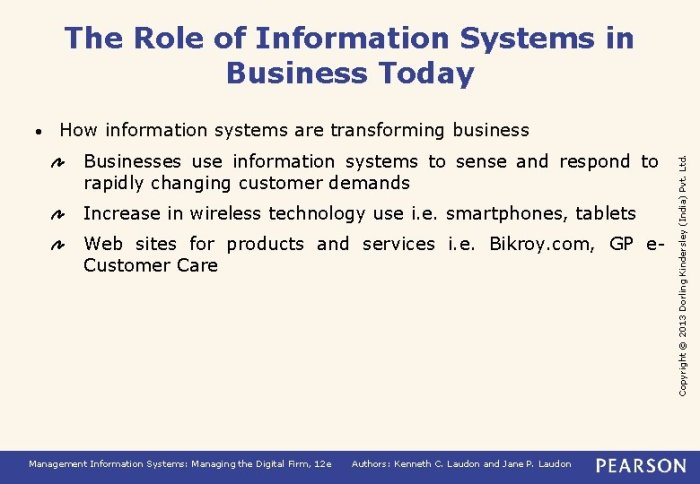
Computer information systems play a crucial role in modern businesses, providing various types of systems to support different functions and decision-making processes.
1. Transaction Processing Systems (TPS)
- TPS are designed to process routine transactions efficiently and accurately.
- These systems are essential for recording day-to-day business operations such as sales, inventory, and payroll.
- Example: A retail store uses a TPS to register sales transactions, update inventory levels, and generate receipts.
2. Management Information Systems (MIS)
- MIS provide managers with reports and data analysis to support decision-making and strategic planning.
- These systems summarize and present information from TPS to help managers monitor performance and identify trends.
- Example: An executive uses an MIS dashboard to view key performance indicators and sales projections based on TPS data.
3. Decision Support Systems (DSS)
- DSS help managers make non-routine decisions by analyzing complex data and providing interactive tools for scenario analysis.
- These systems support strategic decision-making by evaluating different options and their potential outcomes.
- Example: A marketing manager uses a DSS to analyze market trends, consumer behavior, and competitor data to develop a new product launch strategy.
Integration of Computer Information Systems
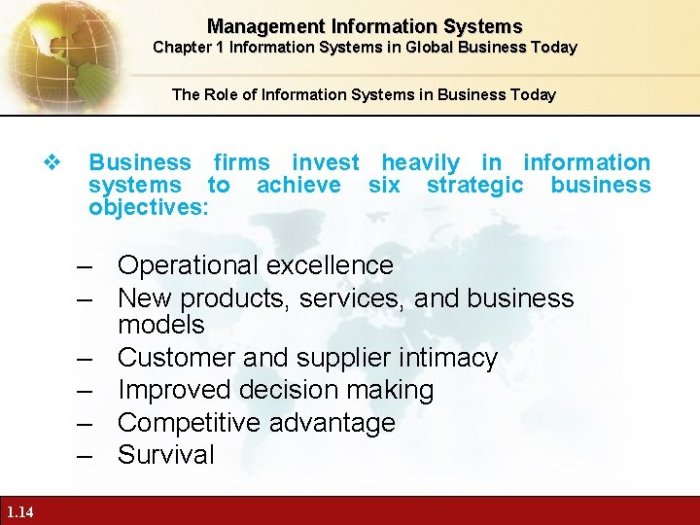
Computer information systems play a crucial role in the seamless integration of various business systems, including enterprise resource planning systems. This integration allows for the efficient flow of data and information across different departments within an organization, leading to improved decision-making and overall operational effectiveness.
Benefits of Integrating Computer Information Systems
- Streamlined Communication: By integrating computer information systems, organizations can ensure that all departments are on the same page and have access to real-time data, facilitating better communication and collaboration.
- Enhanced Data Accuracy: Integration reduces the likelihood of errors and duplicate data entry, leading to improved data accuracy and reliability.
- Improved Efficiency: With integrated systems, processes can be automated, reducing manual tasks and saving time, ultimately increasing operational efficiency.
- Better Decision-Making: Access to integrated data allows for more informed decision-making, as managers have a comprehensive view of the organization's performance and can identify trends and patterns more effectively.
Examples of Successful Integration of Computer Information Systems
One notable example of successful integration of computer information systems is seen in the retail industry, where companies use integrated systems to manage inventory, sales, and customer data seamlessly. This integration enables retailers to optimize their supply chain, forecast demand accurately, and personalize customer experiences based on data insights.
Security and Privacy in Computer Information Systems
Ensuring security and privacy in computer information systems is crucial for protecting sensitive data and maintaining the trust of customers and stakeholders.
Importance of Security Measures
Implementing robust security measures is essential to safeguard data from unauthorized access, breaches, and cyber attacks. By encrypting data and enforcing access controls, businesses can prevent sensitive information from falling into the wrong hands.
Role of Encryption and Access Controls
- Encryption:
Encryption involves encoding data in a way that only authorized parties can decipher, making it unreadable to unauthorized users. This ensures that even if data is intercepted, it remains secure.
- Access Controls:
Access controls limit who can view, edit, or delete data within a system. By setting permissions based on roles and responsibilities, businesses can prevent unauthorized individuals from accessing sensitive information.
Cybersecurity Threats and Mitigation
- Phishing Attacks:
Phishing attacks involve tricking individuals into revealing sensitive information, such as login credentials. Computer information systems can detect and block suspicious emails or websites to prevent data theft.
- Ransomware:
Ransomware is a type of malware that encrypts data and demands payment for decryption. By regularly backing up data and implementing security patches, businesses can reduce the risk of falling victim to ransomware attacks.
- Insider Threats:
Insider threats occur when employees misuse their access to sensitive data for personal gain or malicious intent. Computer information systems can monitor user activities and detect unusual behavior to prevent insider threats.
Outcome Summary
In conclusion, the role of computer information systems in modern businesses is undeniably indispensable. From streamlining operations to fortifying cybersecurity measures, these systems serve as the backbone of organizational success in today's technology-driven world. By understanding and leveraging the capabilities of computer information systems, businesses can optimize their processes, make informed decisions, and adapt to the ever-changing business landscape with agility and resilience.
Detailed FAQs
How do computer information systems enhance decision-making processes in businesses?
Computer information systems provide real-time data analysis, forecasting tools, and interactive dashboards that enable organizations to make informed decisions swiftly and effectively.
What are the main types of computer information systems used in businesses?
The main types include transaction processing systems, management information systems, and decision support systems, each serving specific functions to support business operations.
How can businesses benefit from integrating computer information systems across various departments?
Integration enhances communication, streamlines processes, and facilitates data sharing among different departments, leading to improved efficiency and collaboration within the organization.
What cybersecurity threats do businesses face, and how do computer information systems help mitigate these risks?
Businesses face threats like malware, phishing attacks, and data breaches. Computer information systems employ encryption, access controls, and monitoring tools to safeguard sensitive data and mitigate cybersecurity risks.